
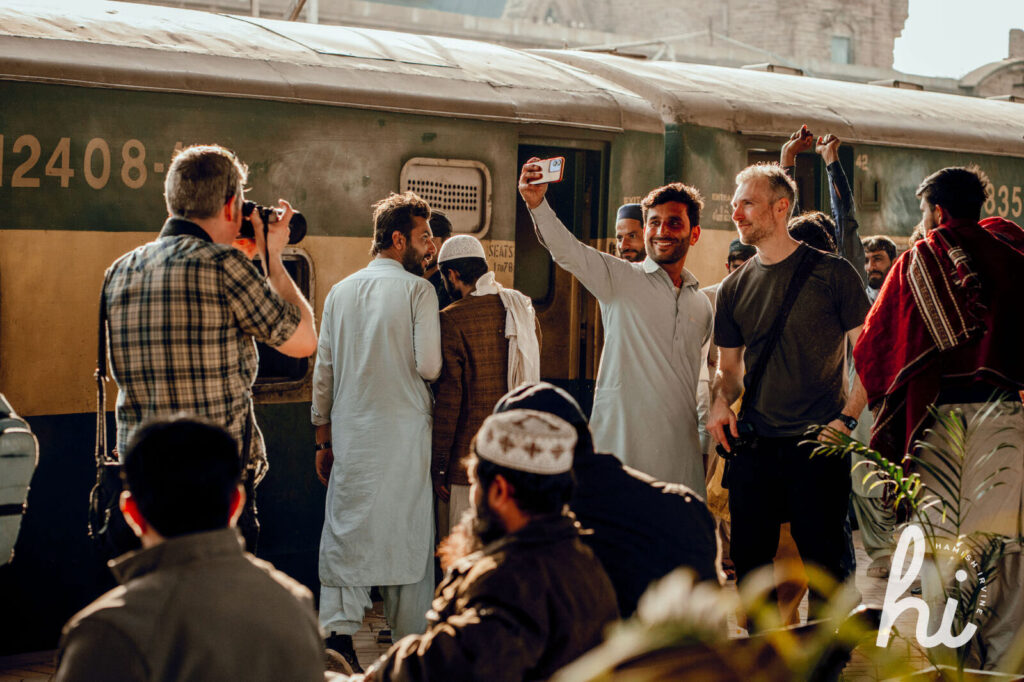
A few years ago, if someone told international travelers they should visit Pakistan for their next vacation, most people would probably raise an eyebrow.
Now, Pakistan is showing up all over TikTok, YouTube vlogs, Instagram reels, and bucket lists.
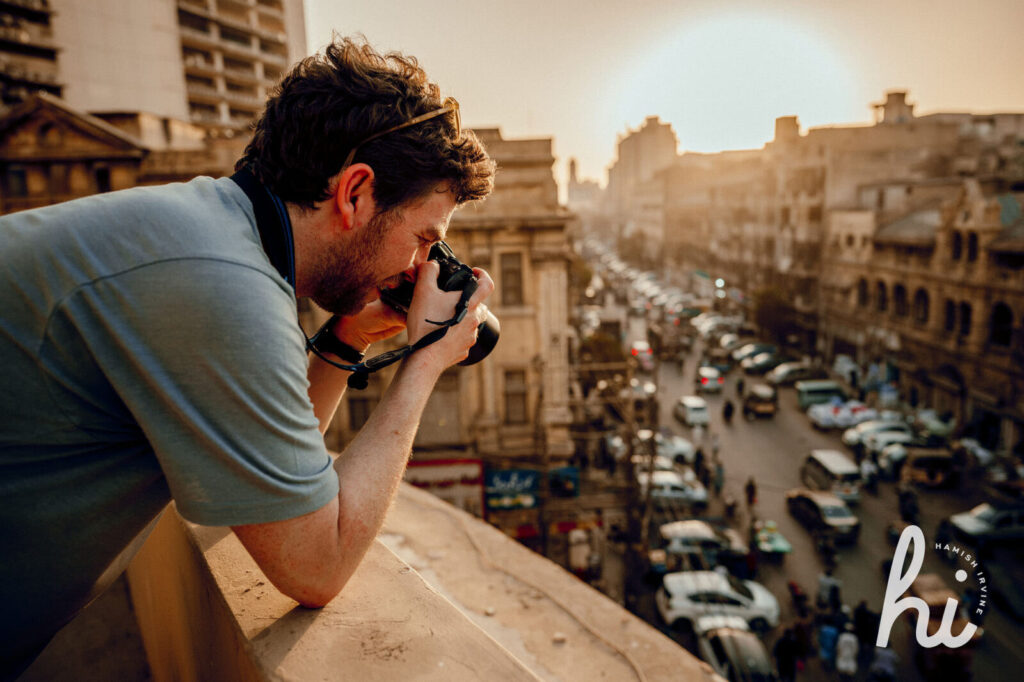
And honestly, it’s not hard to see why.
Some countries sell luxury. Some sell nightlife. Pakistan offers something different. Experiences that actually feel real. The kind you remember years later because they didn’t feel staged or manufactured for tourists.
In 2026, Pakistan is no longer just a “hidden gem.” The world has pretty much discovered it. From the insane mountain views in the north to the chaos and energy of Lahore’s food streets, foreign tourists arrive with curiosity and leave genuinely shocked by what they find.
Not shocked in a bad way.
Shocked because the Pakistan they imagined and the Pakistan they experience are two completely different worlds.
The Internet Changed Pakistan’s Image Completely
Social media deserves a huge chunk of the credit here.
For years, most foreigners only heard about Pakistan through news headlines. Then travel vloggers started visiting. And instead of danger and negativity, people saw lakes so blue they looked edited, roads cutting through giant mountains, colorful truck art, packed food streets, and locals treating strangers like family.
That changed everything.
One viral video from Hunza or Skardu now reaches millions of people in hours. Travelers see foreigners drinking chai with locals, getting invited into homes, or randomly being offered free food by shopkeepers.
And the comments under those videos are always the same:
Wait… Pakistan looks THIS beautiful?
That surprise is exactly what’s driving tourism right now.
Pakistan wasn’t marketed heavily like Dubai or Turkey. People discovered it naturally online, and somehow that made it even more appealing. It felt raw. Untouched. Real.
Tourism numbers reflect that shift too. According to recent tourism reports, Pakistan has seen a steady rise in international arrivals over the past few years, especially in northern areas like Gilgit-Baltistan and Skardu where hotel bookings during peak seasons now fill up weeks in advance.
Northern Pakistan Looks Almost Unreal
Let’s be honest. The north carries Pakistan’s tourism scene hard.
Hunza, Skardu, Fairy Meadows, Swat, Naran, and Gilgit have become dream destinations for travelers who want nature without the overcrowded tourist-trap feeling.
And the views genuinely don’t look real sometimes.
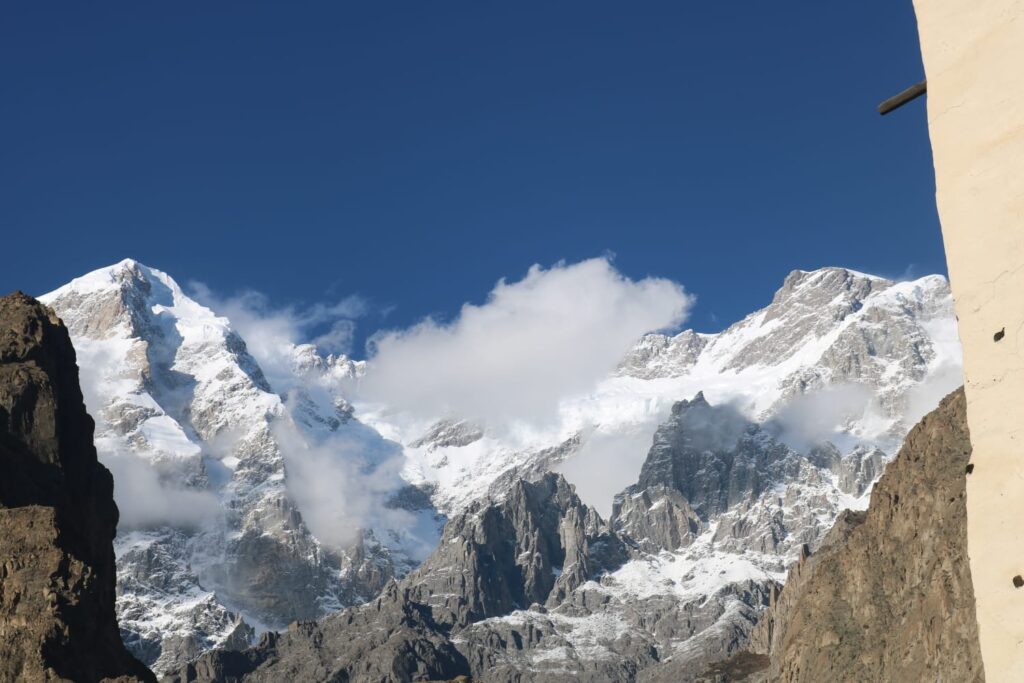
You’ve got massive snow-covered mountains surrounding bright blue lakes, clouds floating through valleys, and roads that make every five minutes feel like a movie scene. Even people who don’t care about photography suddenly start filling their camera roll there.
Hunza especially has become internationally famous. Attabad Lake alone has probably appeared in more travel reels than some entire countries. Then you’ve got places like Passu Cones and Baltit Fort making tourists feel like they accidentally walked into a fantasy film.
Skardu has also exploded in popularity over the last few years. A lot of foreigners compare it to Switzerland, except less commercial and way more affordable. You can wake up surrounded by giant mountains, drink chai in freezing weather, and still spend less than you would in many European tourist spots.
That combination is hard to beat.
And for adventure travelers, Pakistan is basically heaven.
Pakistan is home to five of the world’s fourteen highest mountains, including K2, the second-highest peak on Earth. Every year, climbers and trekkers from dozens of countries travel here purely for the adventure tourism scene.
Trekkers come for routes like Fairy Meadows and Concordia. Climbers arrive hoping to conquer K2. Bikers take on the Karakoram Highway just for the experience of saying they did it. Pakistan isn’t just attracting tourists anymore.
It’s attracting explorers.
The Hospitality Feels Almost Unreal to Foreigners
This is probably the biggest reason tourists leave Pakistan obsessed with it.
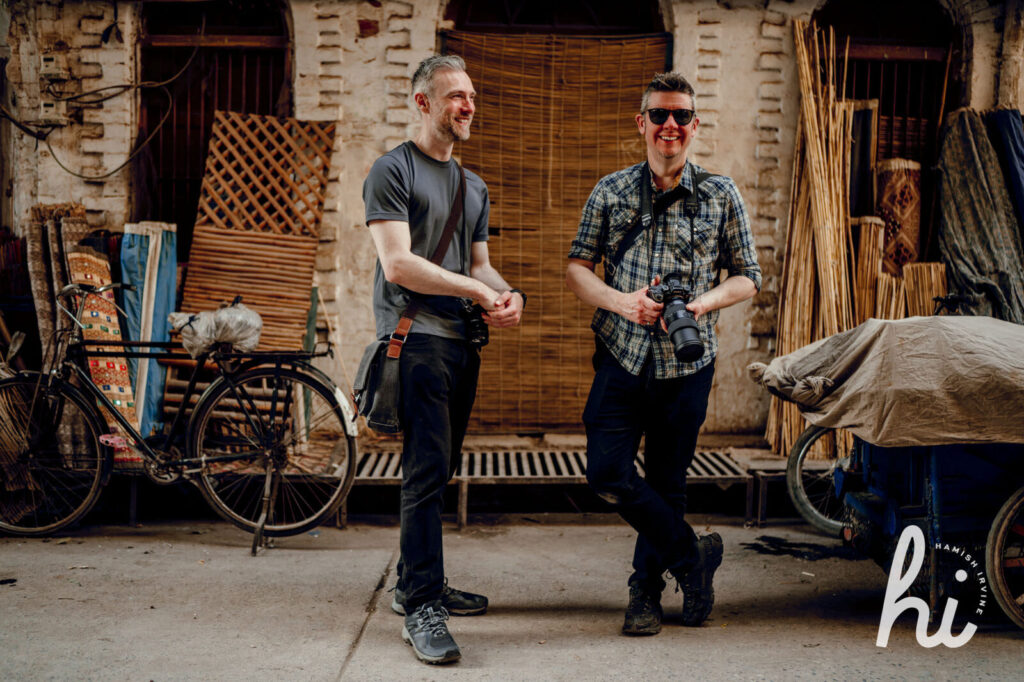
The hospitality here catches people completely off guard.
Foreign travelers constantly share stories about random strangers helping them, paying for their meals, guiding them through cities, or inviting them over for dinner. And the craziest part is that most locals genuinely expect nothing in return.
In many tourist-heavy countries, visitors are treated like customers.
In Pakistan, they’re treated like guests.
That difference matters more than people realize.
A tourist might forget a nice hotel room after a few months. But they won’t forget a stranger sitting with them for chai and refusing to let them pay for it.
Those moments stick.
And honestly, that warmth is something Pakistan has naturally, without trying too hard to market it.
Lahore Is Becoming a Food Lover’s Obsession
If northern Pakistan wins people over with scenery, Lahore wins them over with food.
The city has this energy that’s hard to explain unless you’ve experienced it yourself. The streets stay alive late into the night, food stalls are packed, smoke rises from barbecue grills everywhere, and there’s always noise, movement, and people laughing around massive plates of food.
It feels alive.
Foreign tourists absolutely love that atmosphere.
A lot of them come expecting spicy food and leave realizing Pakistani cuisine has way more depth than they imagined. Nihari, karahi, seekh kebabs, siri paye, butter chicken, fresh naan straight out of the tandoor. It becomes less of a meal and more of an experience.
And Lahore’s food culture doesn’t feel polished in a fake way. It’s messy sometimes. Loud too. But that’s exactly what makes it memorable.
Karachi offers something completely different. The city is chaotic, fast, and intense, but the food scene is insane. One street can have biryani spots, bun kebab stalls, seafood places, and cafés all packed together.
Then there’s Peshawar, where tourists get introduced to traditional dishes like chapli kebabs and centuries-old tea culture.
By the end of their trip, many foreigners realize they didn’t just visit Pakistan.
They ate their way through it.
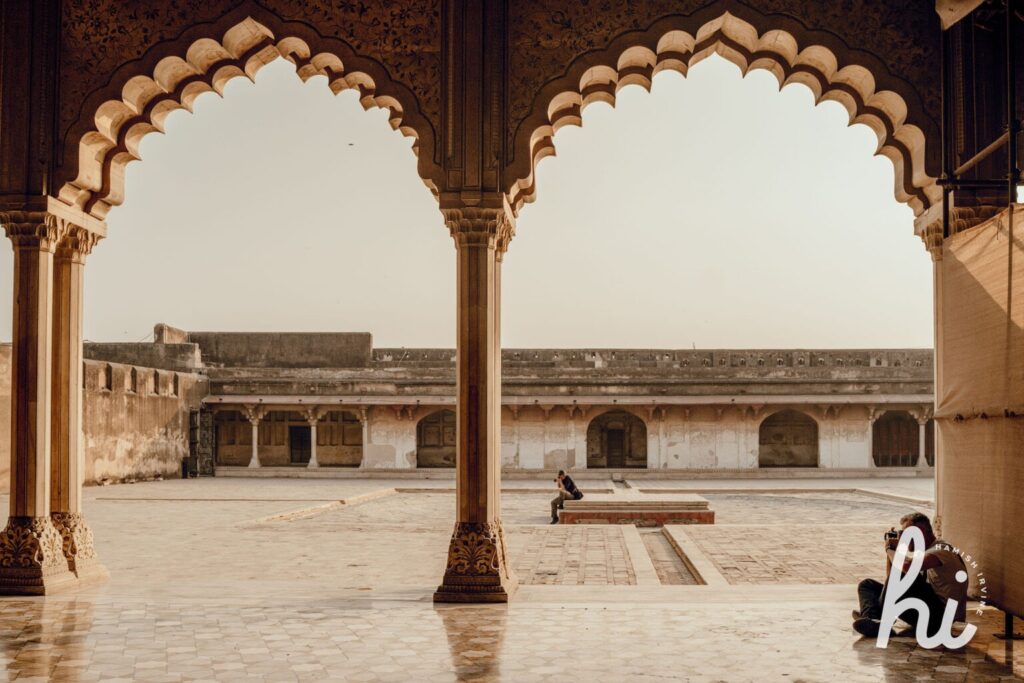
Pakistan’s Culture Feels Alive, Not Packaged
A lot of tourist destinations lose their identity once tourism becomes too commercialized.
Pakistan still feels authentic.
That’s a huge advantage.
You can walk through the Walled City of Lahore and still feel history around you instead of just seeing something built for tourists. Places like Badshahi Mosque, Lahore Fort, and Taxila don’t feel artificial or overproduced.
Even the everyday things become memorable to visitors. The decorated trucks. Roadside chai dhabas. Crowded bazaars. Traditional clothes. Old bookshops. The call to prayer echoing through cities. Families eating together late at night.
It feels lived in.
Tourists today are chasing experiences that feel culturally real, and Pakistan offers that naturally.
Traveling Pakistan Has Become Easier
One thing helping tourism grow fast in 2026 is accessibility.
A few years ago, many travelers were interested in Pakistan but worried the trip would be too difficult. Now things are improving quickly.
Road infrastructure has gotten better, online visa systems have made entry easier, and tourism businesses are growing across the country. Hotels, cafés, resorts, and tour companies are adapting to international travelers without removing the local charm people come for.
Pakistan’s e-visa system now allows tourists from dozens of countries to apply online, making travel planning far easier than it used to be. Domestic tourism has also grown massively, which indirectly boosted facilities in northern areas and major cities.
Even digital exposure helped normalize Pakistan as a travel destination.
The more people saw others visiting safely and enjoying themselves, the more comfortable they became with the idea of going themselves.
And now the momentum is building on its own.
Of Course, Pakistan Still Has Problems
No country is perfect, and Pakistan definitely still has issues to work on.
Some tourist areas struggle with cleanliness and waste management. Traffic in major cities can be overwhelming. Certain places still need better facilities for international visitors. Environmental damage is also becoming a concern in heavily visited northern regions.
But despite all that, tourists continue coming.
Why?
Because what Pakistan offers feels difficult to find elsewhere now.
The beauty feels untouched. The people feel genuine. The experiences feel unpredictable in the best way possible.
There’s still a sense of discovery here.
Pakistan Feels Different. And That’s Exactly Why People Love It
That’s probably the simplest way to explain Pakistan’s rise in tourism.
It feels different.
Not curated. Not overly commercialized. Not built entirely for Instagram aesthetics. Real places with real people, incredible landscapes, chaotic cities, deep history, and moments travelers genuinely connect with.
And in a world where many destinations are starting to feel the same, that difference becomes powerful.
In 2026, foreign tourists are coming to Pakistan for the mountains, the food, the culture, and the adventure.
But most of them leave talking about something else entirely.
The feeling.